From mobilization to closeout.
Reserve a restroom position while the site plan is still taking shape. Explain daily staffing, project phases, subcontractor peaks, and the route that will remain available for servicing.
Construction rental planningPortable restroom rental planning for construction crews, commercial properties, and outdoor operations. Start with the site requirements. Confirm the equipment and service for your address and schedule.
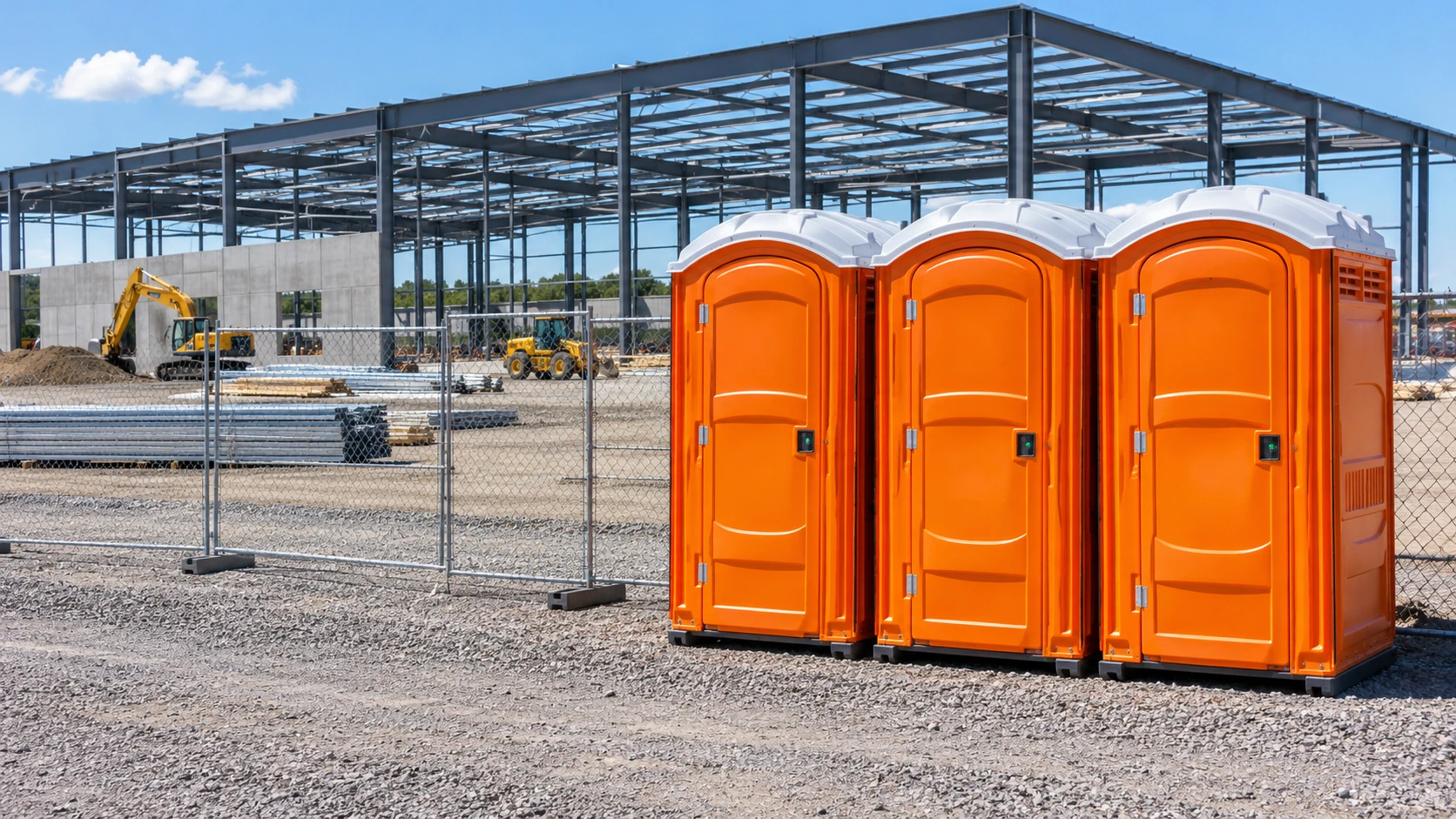 Illustrative equipment scene
Headcount, shifts, access, and service needs belong in the same conversation.
Reserve a restroom position while the site plan is still taking shape. Explain daily staffing, project phases, subcontractor peaks, and the route that will remain available for servicing.
Construction rental planningWhen building work affects permanent facilities, describe which areas stay occupied and how staff, customers, and deliveries move around the property. Compare equipment and setup needs for the temporary arrangement.
Compare trailer requirementsFor a work area away from indoor restrooms, bring the actual service entrance, surface conditions, use hours, and crew count to the quote. Include washing and access requirements in the original layout.
Review standalone units
Plan standalone portable toilets around crew numbers, occupied work areas, and the access needed to keep equipment serviced.
Get the details
Review accessible restroom equipment together with the approach route, placement surface, and needs of the people using the site.
Get the details
Include hand-washing equipment when planning temporary restrooms for crews, outdoor work areas, and occupied commercial properties.
Get the details
Compare trailer options for temporary workplace facilities, planned building work, hosted functions, and other organized use.
Get the detailsThe practical requirement includes the people using the facilities, the time they spend on the property, and the way equipment can be reached. Tell the local contact which permanent restrooms remain open and whether temporary facilities serve one crew, several subcontractors, or a changing workforce.
Describe the entrance used by service vehicles. It may differ from the street address, main reception, or customer gate. Explain check-in procedures, restricted hours, turning space, overhead obstructions, and any surface or grade that could affect the proposed approach.
On a working commercial property, consider staff and customer routes alongside the work zone. On a construction site, account for fencing, material storage, plant movement, and planned phases. The restroom position needs to work after the initial setup, when the surrounding space becomes occupied.
Start with the information you have. Talk through the practical questions together.
Share crew numbers, shifts, work dates, and the facilities already available on the property.
Discuss equipment specifications, approved placement, washing facilities, and the service entrance.
Confirm delivery, included servicing, access instructions, collection, and the complete quote.
| Rental option | Discuss the use | Confirm the setup |
|---|---|---|
| Standard portable toilets | Daily workers, shifts, and rental length | Approved position, user route, and service access |
| Accessible units | The access needs of intended users | Model specifications, approach, and surrounding space |
| Hand-washing stations | Activities, use hours, and peak breaks | Supplies, replenishment, placement, and service |
| Restroom trailers | Temporary workplace or organized attendance | Footprint, utilities, entrance, and delivery route |
Equipment specifications and availability should be confirmed for the actual address and dates.
Choose a region to open a location page with its local phone number, area guide, and rental links. Call to confirm equipment and delivery availability for your address and dates.
Delivery is the first access requirement, not the only one. Servicing and collection also need a practical approach. A space that is open during mobilization may become a laydown area or parking zone later. Include the restroom area in the site briefing and identify the person who can coordinate entry when scheduled visits occur.
Temporary facilities should be discussed using the way the site actually works. Explain concentrated break periods, overtime, additional subcontractors, and separate shifts. If those conditions change, call to review the existing arrangement. Ask how additional equipment, extra service, or a rental extension would be handled and priced before relying on an adjustment.
Accessible facilities and washing stations need a place in the original layout. Ask for the specifications of the equipment being offered, then consider the approach from occupied work areas and the space around the units. If a trailer is proposed, confirm utilities and delivery requirements separately. The project or property contact should review the requirements that apply to that particular site.
Collection can become difficult after the workforce leaves, a gate is locked, or final work changes the equipment approach. Share the planned handover date and any deadline for clearing temporary facilities. Review the rental period, transportation, included service, pickup, and additional charges together. Keep the local contact informed when the start or finish date moves.
Use these answers to prepare the first rental conversation.
Provide the delivery address, actual service entrance, start date, estimated rental length, daily crew count, and shift pattern. Explain existing facilities, approved placement, washing needs, access requirements, and the person who can coordinate entry. Ask the contact to review the full equipment and service scope.
Describe each shift, staffing peaks, subcontractors, concentrated breaks, and the hours facilities are used. Include permanent restrooms that remain available. Ask the local contact to discuss equipment quantities and servicing for that working pattern, then review the arrangement if headcount or operating hours change.
Ask which cleaning visits, waste removal, supply replenishment, and service frequency are included. Explain gate procedures and access hours. Confirm how extra visits, heavier use, and extensions are handled and priced. Keep a named on-site contact available for access and schedule questions.
Discuss an approved, firm, level position with room for users, doors, and servicing. Account for plant movement, deliveries, stockpiles, temporary fences, and planned work phases. Share the service route as well as the user approach, and coordinate changes with the rental contact before moving equipment.
Yes. Use the equipment guides to prepare questions, then ask about actual model specifications and availability for your dates. Discuss access needs, route surfaces, surrounding space, washing supplies, and service arrangements together. The site representative should confirm project-specific requirements.
Call the local contact as soon as the schedule changes. Ask how an extension, additional service, or revised collection would be arranged and charged. Explain any gate closure, handover date, or final work that could affect access to the equipment. Confirm the updated arrangement before relying on a revised date.
Bring the address, crew count, and required dates.