Define the entrance for work near Stamford’s downtown waterways
Local geography and the working area
Stamford Harbor has distinct east and west branches, according to the U.S. Army Corps of Engineers’ navigation description. The west branch reaches the mouth of the Rippowam River, while the east branch passes the hurricane protection barrier. This geography matters as context for work near the shoreline, but the actual service approach belongs to a particular property. Give the street entrance, building, and approved placement instructions rather than only a harbor reference or a waterfront project name. [sources]
Districts, corridors, and site context
Mill River Park provides another downtown reference point, with the city describing a broader vision linking the park and the South End shoreline. When planning temporary facilities near an occupied commercial property, distinguish the work zone from public open space and pedestrian circulation. Describe loading areas, employee routes, and the entrance service vehicles may use. A restroom position should remain practical after fencing, parked vehicles, and stored materials arrive, so have the property lead confirm the setup area before other project arrangements take that space. [sources]
Planning temporary facilities for this setting
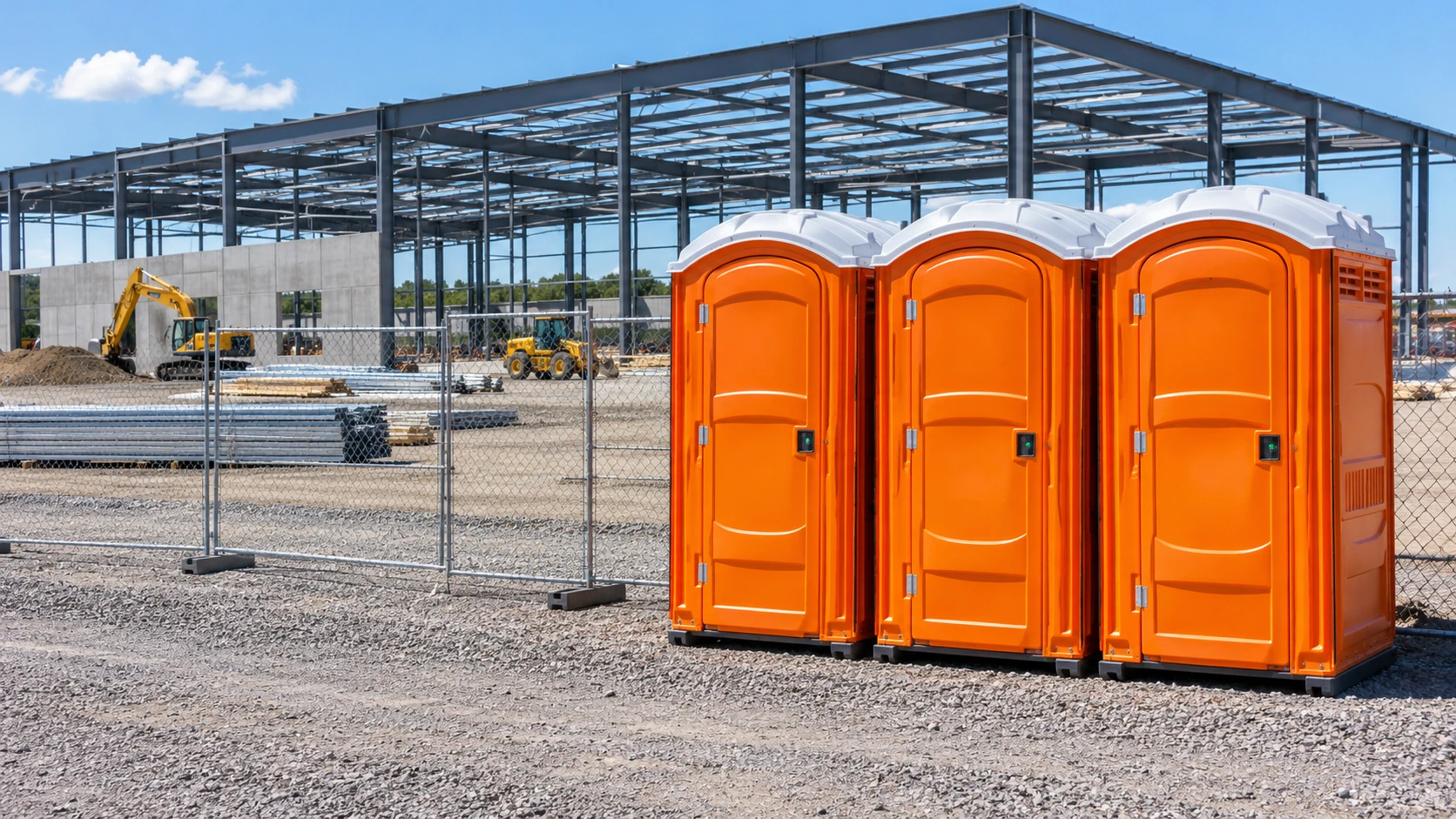
For a Stamford renovation, maintenance, or construction rental, share daily staffing, shifts, dates, and the indoor facilities still available. Discuss accessible equipment specifications and hand washing alongside standard toilets. Explain ground conditions and the service window at the actual approved position. Ask which cleaning visits, replenishment, waste removal, transportation, and pickup are included, and how extensions or additional needs are handled. Keep an on-site contact available, report changes to access early, and review collection before the working area is locked or handed back.
For a working property in Stamford, use our construction restroom guide to prepare crew and schedule details. For organized attendance, the event rental guide covers user numbers, setup windows, and circulation. Both are useful starting points for a call about your particular address.
Keep the plan useful throughout the rental
Once the equipment is placed, keep its service approach available throughout the rental. Explain any planned fencing, changing work zones, or vendor activity that could affect access. For a longer project, ask how supplies and routine visits are handled; for a multi-day occasion, discuss the service window alongside the program.
Before confirming, review the rental period and everything included in the quote: transportation, proposed equipment, scheduled servicing, additional visits if needed, and collection. An approved location and a reliable on-site contact help keep those arrangements clear as the job or event develops.