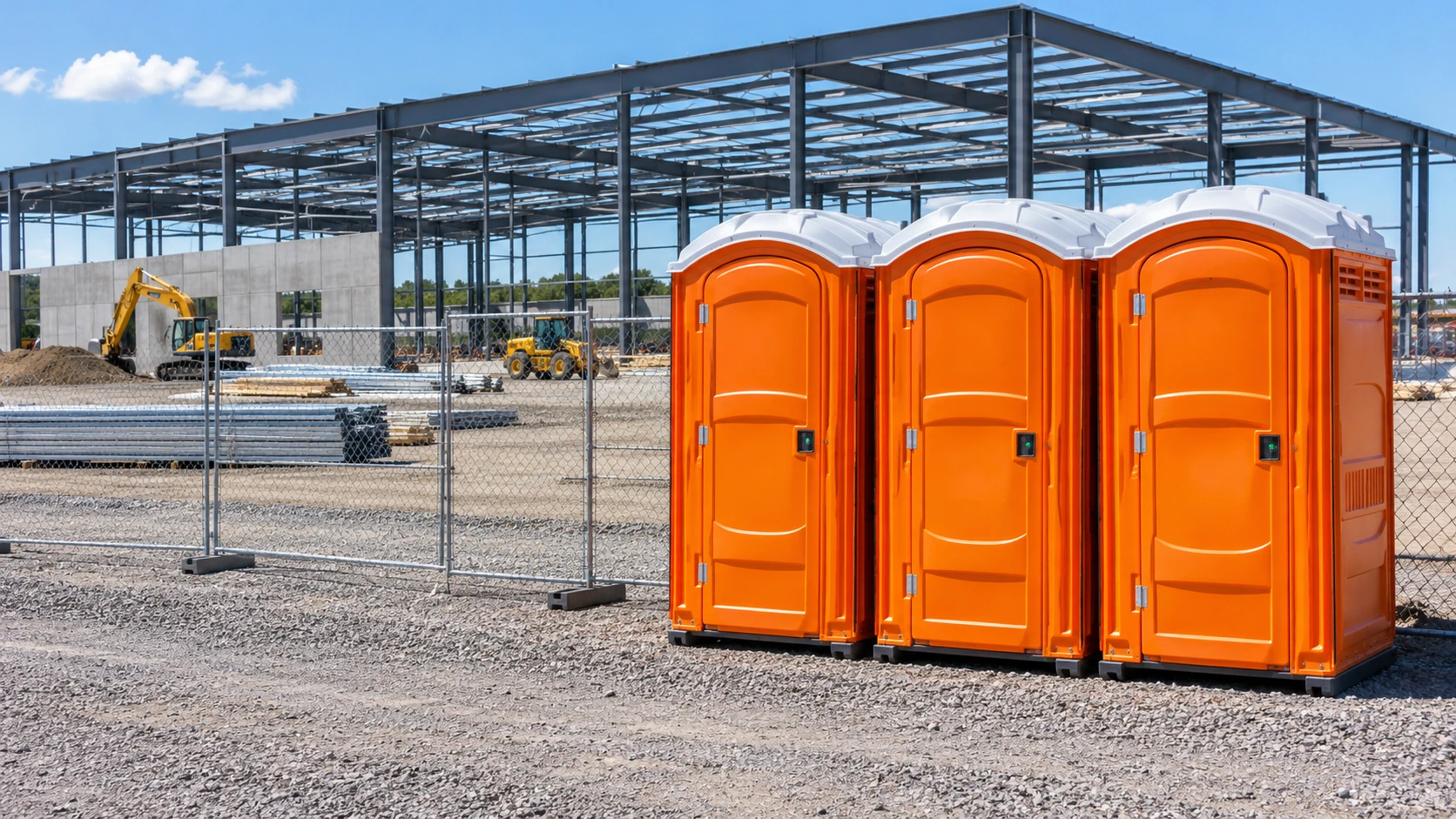
Different corridor and neighborhood settings within one work market
Local geography and the working area
Pomona’s planning framework distinguishes its downtown, major corridors, workplace and industrial areas, and neighborhoods. The city maintains separate specific plans for Downtown Pomona, the Pomona Corridors, and Phillips Ranch. This is useful context for temporary restroom planning because a commercial renovation, a yard project, and work on an occupied mixed-use property can have different access arrangements. Give the rental contact the particular building or parcel, the service entrance, and the position approved for equipment instead of using the nearest corridor as the complete instruction. [sources]
Districts, corridors, and site context
The city’s general-plan mapping identifies Holt Avenue, Mission Boulevard, Garey Avenue, and the Phillips Ranch greenbelt among its local reference points. These streets and landscape features help explain where a worksite sits, but they do not establish a suitable rental pad. Ask the site lead to distinguish the crew area from loading, employee parking, landscaping, and public circulation. Describe any surface change or narrow approach on the property. For managed open space or a public location, confirm permission and placement directly with the responsible owner. [sources]
Planning temporary facilities for this setting
For a Pomona commercial request, share workforce size, shift patterns, use hours, and anticipated rental duration. Explain whether permanent restrooms will remain accessible while construction or maintenance is underway. Compare standard units, accessible options, and hand washing with the actual equipment dimensions and servicing needs. Confirm cleaning visits, included supplies, transportation, extra service, extensions, and pickup in the quote. Keep the approach available as staging areas change, and advise the local contact before a revised work boundary or gate schedule affects the facilities.
For a working property in Pomona, use our construction restroom guide to prepare crew and schedule details. For organized attendance, the event rental guide covers user numbers, setup windows, and circulation. Both are useful starting points for a call about your particular address.
Keep the plan useful throughout the rental
Once the equipment is placed, keep its service approach available throughout the rental. Explain any planned fencing, changing work zones, or vendor activity that could affect access. For a longer project, ask how supplies and routine visits are handled; for a multi-day occasion, discuss the service window alongside the program.
Before confirming, review the rental period and everything included in the quote: transportation, proposed equipment, scheduled servicing, additional visits if needed, and collection. An approved location and a reliable on-site contact help keep those arrangements clear as the job or event develops.