Coordinate facility work around Fullerton’s downtown transport setting
Local geography and the working area
Downtown Fullerton combines historic buildings with financial, civic, religious, and commercial uses. The city also describes a regional transportation center serving the district. This makes the local setting relevant when planning restroom equipment for renovation, maintenance, or a temporary crew: the front entrance used by customers or rail passengers may be different from the position approved for deliveries. Provide a specific service entrance and explain which part of the property will remain open while work is underway. [sources]
Districts, corridors, and site context
The city’s parking information identifies employees, customers, Metrolink commuters, and Amtrak passengers among the groups using downtown lots and structures. A commercial facilities plan in this area should therefore describe the actual parcel and its circulation rather than relying on an available-looking parking space. Ask the property contact to approve the restroom location, identify the route workers will use, and explain any time windows or loading arrangements affecting the service approach. Confirm current conditions directly with the manager. [sources]
Planning temporary facilities for this setting
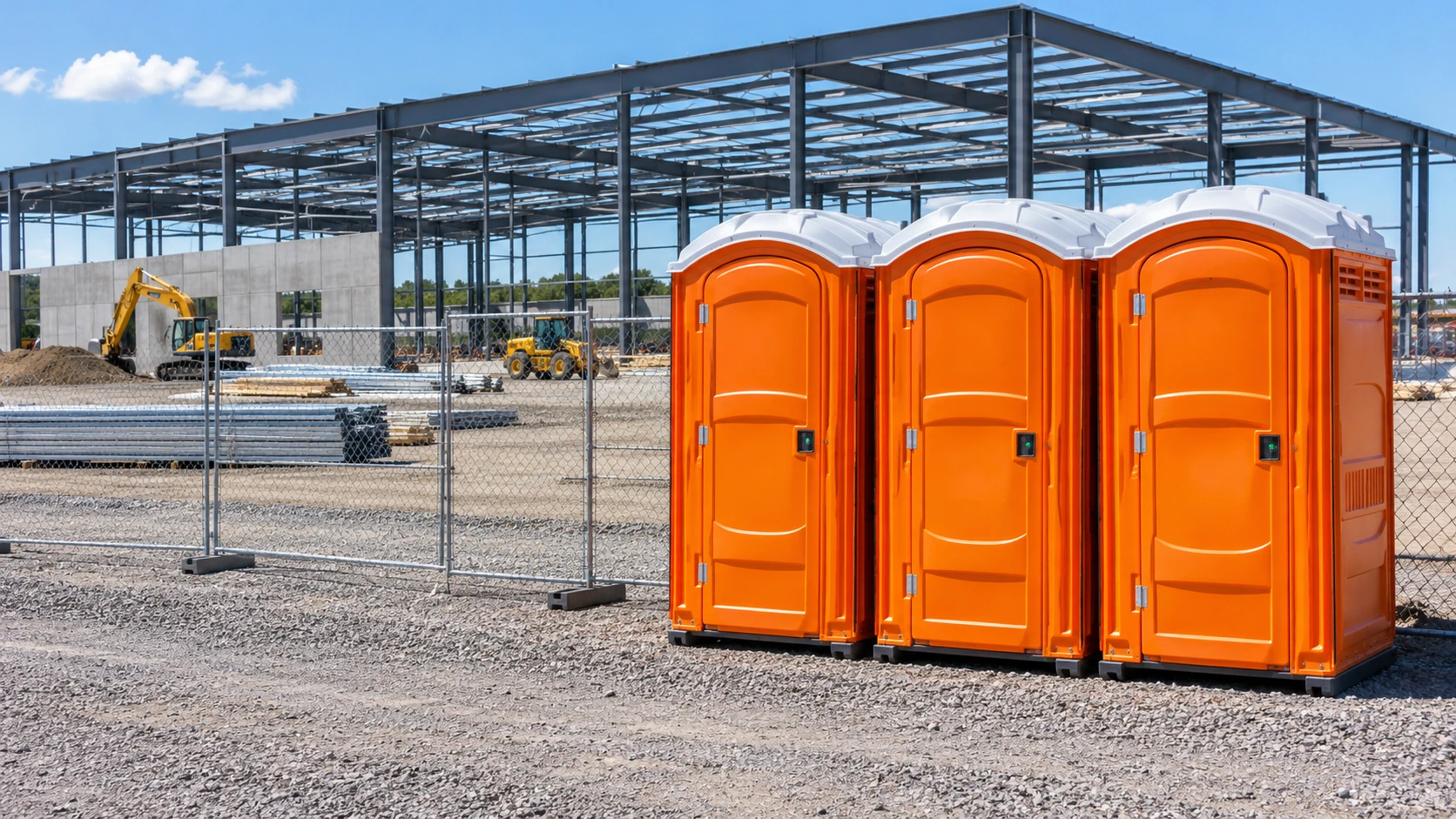
When requesting a Fullerton rental quote, explain the number of workers per shift, expected project length, and whether indoor restrooms remain available. Reserve room around toilets and washing stations before other temporary equipment arrives. If accessible facilities are needed, review the offered model and the complete approach route together. Ask about cleaning, waste removal, supplies, delivery, and pickup in the proposed arrangement. Report changes to crew size or access early so the local contact can discuss available adjustments.
For a working property in Fullerton, use our construction restroom guide to prepare crew and schedule details. For organized attendance, the event rental guide covers user numbers, setup windows, and circulation. Both are useful starting points for a call about your particular address.
Keep the plan useful throughout the rental
Once the equipment is placed, keep its service approach available throughout the rental. Explain any planned fencing, changing work zones, or vendor activity that could affect access. For a longer project, ask how supplies and routine visits are handled; for a multi-day occasion, discuss the service window alongside the program.
Before confirming, review the rental period and everything included in the quote: transportation, proposed equipment, scheduled servicing, additional visits if needed, and collection. An approved location and a reliable on-site contact help keep those arrangements clear as the job or event develops.