Distinguish Pasadena’s business district from its Arroyo Seco setting
Local geography and the working area
This location page covers Pasadena, California. The city’s history describes Old Pasadena as the area where its business district first developed, and the Arroyo Seco as another defining part of its landscape. Pasadena’s own parks department identifies the arroyo as a managed natural and recreation resource. For commercial restroom planning, distinguish a downtown building project from a property near the arroyo. Give the actual entrance and approved equipment position rather than using a well-known district or nearby destination as the only instruction. [sources]
Districts, corridors, and site context
The city’s account also connects Pasadena’s development with scientific research and light manufacturing associated with Caltech and the Jet Propulsion Laboratory. Those institutions are local context, not a statement that the rental business serves either organization. On the property where work will occur, explain the relationship between the staging area, occupied buildings, and public or employee paths. Describe loading arrangements and the surface available for units, and identify who can approve a position that remains workable through the rental period. [sources]
Planning temporary facilities for this setting
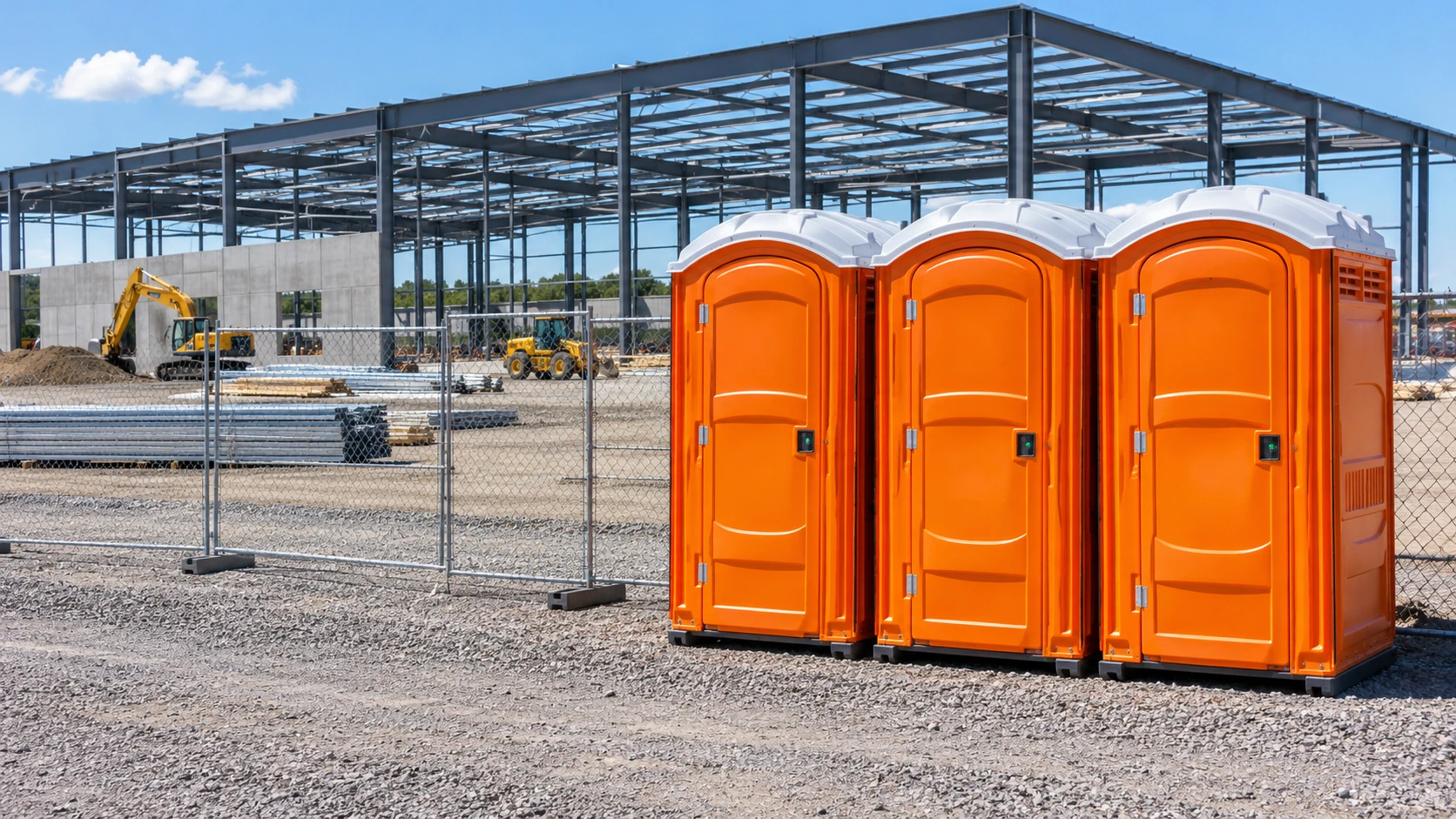
For a Pasadena crew or facility project, outline the number of users, shifts, start date, and expected duration. Compare standard toilets, accessible equipment, and hand-washing stations using the specific options available for your dates. Confirm the service approach and keep it clear as materials and contractors arrive. Ask which cleaning visits, replenishment, waste removal, delivery, and pickup are included in the quote. Report schedule changes early, and review collection instructions before the working area is closed or returned to normal use.
For a working property in Pasadena, use our construction restroom guide to prepare crew and schedule details. For organized attendance, the event rental guide covers user numbers, setup windows, and circulation. Both are useful starting points for a call about your particular address.
Keep the plan useful throughout the rental
Once the equipment is placed, keep its service approach available throughout the rental. Explain any planned fencing, changing work zones, or vendor activity that could affect access. For a longer project, ask how supplies and routine visits are handled; for a multi-day occasion, discuss the service window alongside the program.
Before confirming, review the rental period and everything included in the quote: transportation, proposed equipment, scheduled servicing, additional visits if needed, and collection. An approved location and a reliable on-site contact help keep those arrangements clear as the job or event develops.