River geography and varied industrial corridors shape site access
Local geography and the working area
Binghamton developed at the meeting of the Chenango and Susquehanna rivers, a geographic feature that still helps orient work across the city. Its comprehensive plan describes the East Side as a varied area with industrial uses along the Brandywine Highway and freight corridor, commercial activity along Court and Robinson streets, and residential blocks elsewhere. A rental request should identify the exact worksite and service entrance. A river, corridor, or neighborhood reference is useful context, but it does not describe the final approach to the equipment. [sources]
Districts, corridors, and site context
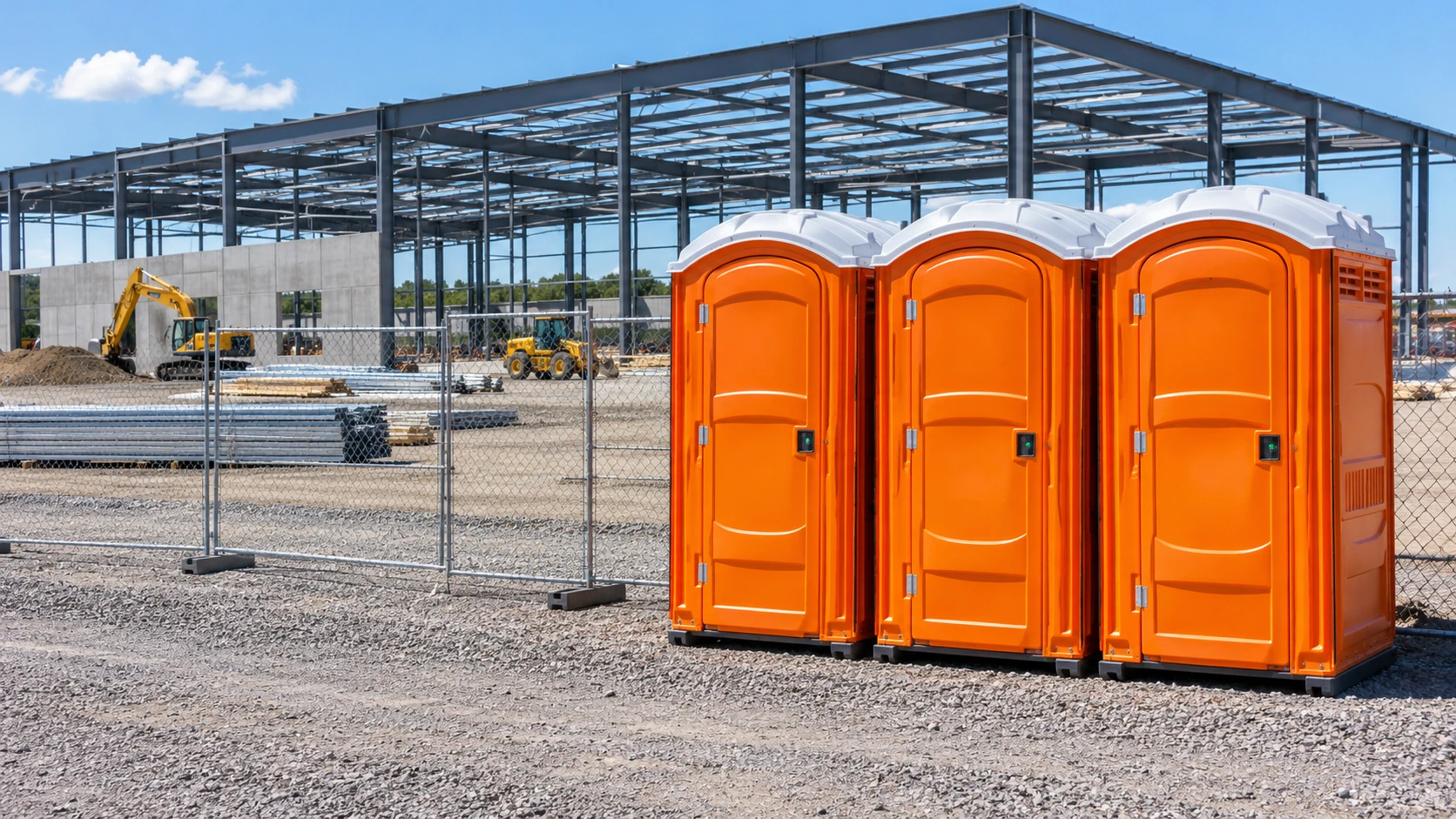
The city’s North Side also contains highways, rail infrastructure, commercial areas, and pockets of industrial activity. These different uses can create separate access arrangements even within the same broad neighborhood. For a building project or maintenance operation, explain which gate or driveway the team should use and where the crew facilities can stand without occupying loading space. Describe any grade, uneven ground, or restricted movement on the property. The site lead should confirm a suitable position rather than treating an undeveloped-looking area as available. [sources]
Planning temporary facilities for this setting
Build the Binghamton restroom plan around the workforce and the length of the assignment. Share shift patterns, existing facilities, expected staffing peaks, and whether work changes location between phases. Compare standard toilets, accessible options, and hand washing with the actual equipment specifications. Ask which cleaning visits and supplies are included and how additional service would be arranged. Keep the agreed route open after initial placement. Review delivery, collection, extensions, and total pricing with the local contact before the project entrance or schedule changes.
For a working property in Binghamton, use our construction restroom guide to prepare crew and schedule details. For organized attendance, the event rental guide covers user numbers, setup windows, and circulation. Both are useful starting points for a call about your particular address.
Keep the plan useful throughout the rental
Once the equipment is placed, keep its service approach available throughout the rental. Explain any planned fencing, changing work zones, or vendor activity that could affect access. For a longer project, ask how supplies and routine visits are handled; for a multi-day occasion, discuss the service window alongside the program.
Before confirming, review the rental period and everything included in the quote: transportation, proposed equipment, scheduled servicing, additional visits if needed, and collection. An approved location and a reliable on-site contact help keep those arrangements clear as the job or event develops.