Colorado River geography and working properties in Yuma
Local geography and the working area
Yuma’s setting is inseparable from the Colorado River. The National Park Service describes the river crossing and irrigation works that helped transform the region into an agricultural landscape. The historic downtown includes the Yuma Main Street Historic District and Brinley Avenue Historic District, while riverfront parks and trails connect with the heritage area. A commercial rental request should distinguish the individual work property from these regional references and identify the entrance approved for delivery and subsequent service visits. [sources]
Districts, corridors, and site context
The city’s history links river infrastructure with the development of irrigated agriculture, and the municipal profile identifies agriculture as a major part of the local economy. That context can involve outdoor work areas quite different from a downtown renovation. Explain whether crews work on one compact parcel or across separate sections of a property. Describe access roads, gates, and the surface at the intended position. Do not assume a public riverfront route or a field approach is authorized for the proposed equipment placement. [sources]
Planning temporary facilities for this setting
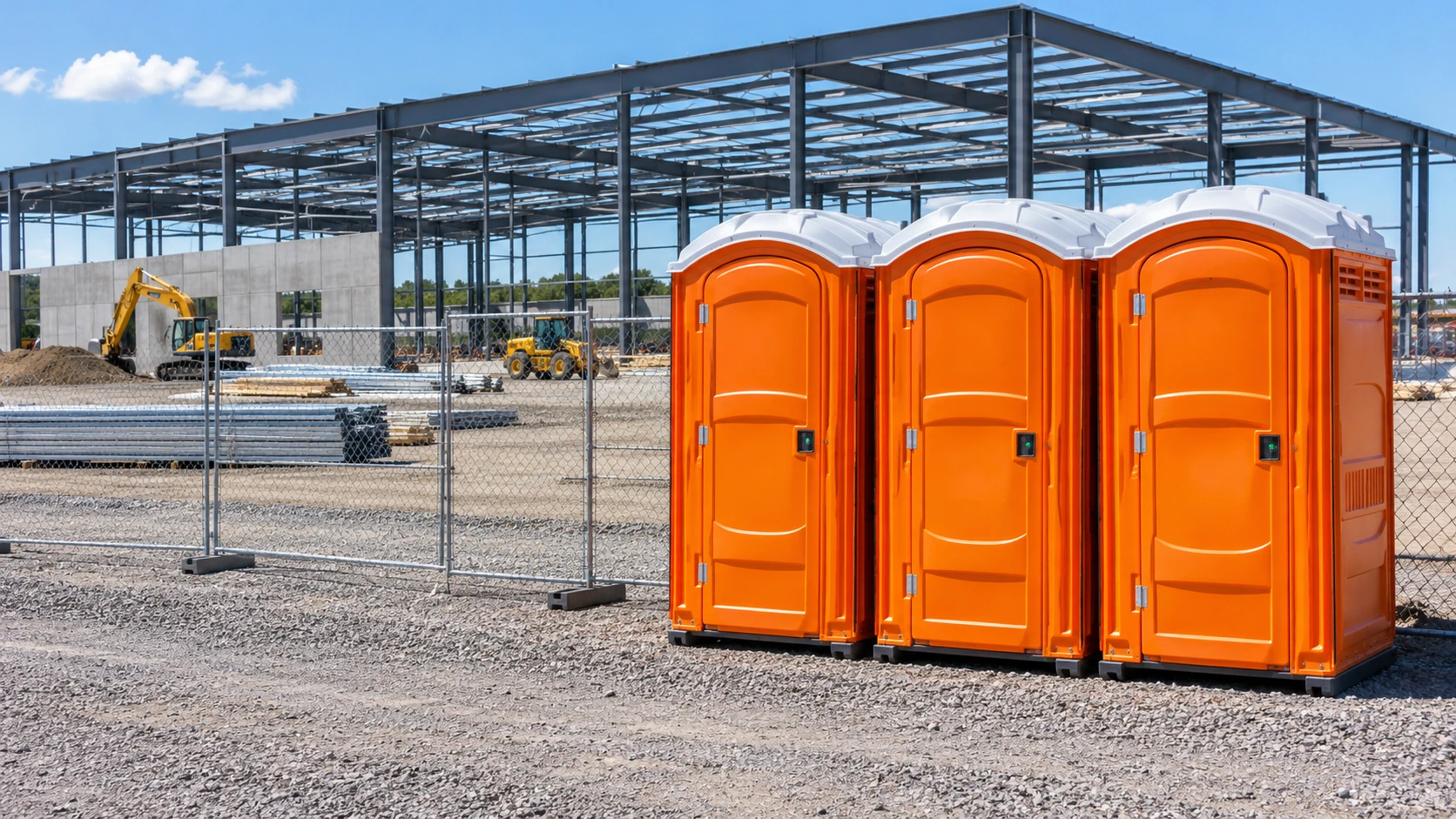
For Yuma portable restroom planning, provide the crew count, shifts, use hours, and expected duration. Identify existing toilets and washing facilities, including when workers can reach them. Ask about equipment specifications, accessible options, and supplies before finalizing the layout. Discuss how routine cleaning, replenishment, and collection fit the site’s operating schedule. Keep a firm, level position and service approach available throughout the rental. Confirm availability and the full quote for the actual address, and call when staffing or access changes rather than relying on the original plan.
For a working property in Yuma, use our construction restroom guide to prepare crew and schedule details. For organized attendance, the event rental guide covers user numbers, setup windows, and circulation. Both are useful starting points for a call about your particular address.
Keep the plan useful throughout the rental
Once the equipment is placed, keep its service approach available throughout the rental. Explain any planned fencing, changing work zones, or vendor activity that could affect access. For a longer project, ask how supplies and routine visits are handled; for a multi-day occasion, discuss the service window alongside the program.
Before confirming, review the rental period and everything included in the quote: transportation, proposed equipment, scheduled servicing, additional visits if needed, and collection. An approved location and a reliable on-site contact help keep those arrangements clear as the job or event develops.