River corridors and different site approaches in St. George
Local geography and the working area
St. George’s river corridors are a useful starting point for understanding local site conditions. The Virgin River and Santa Clara River form part of the area’s drainage landscape, while the city’s parks and trails plan includes Tonaquint Park and a Santa Clara River trailhead. A project described as near a river trail still needs a precise street entrance, approved work boundary, and equipment position. Public trail access should not be treated as vehicle access to a separate property. [sources]
Districts, corridors, and site context
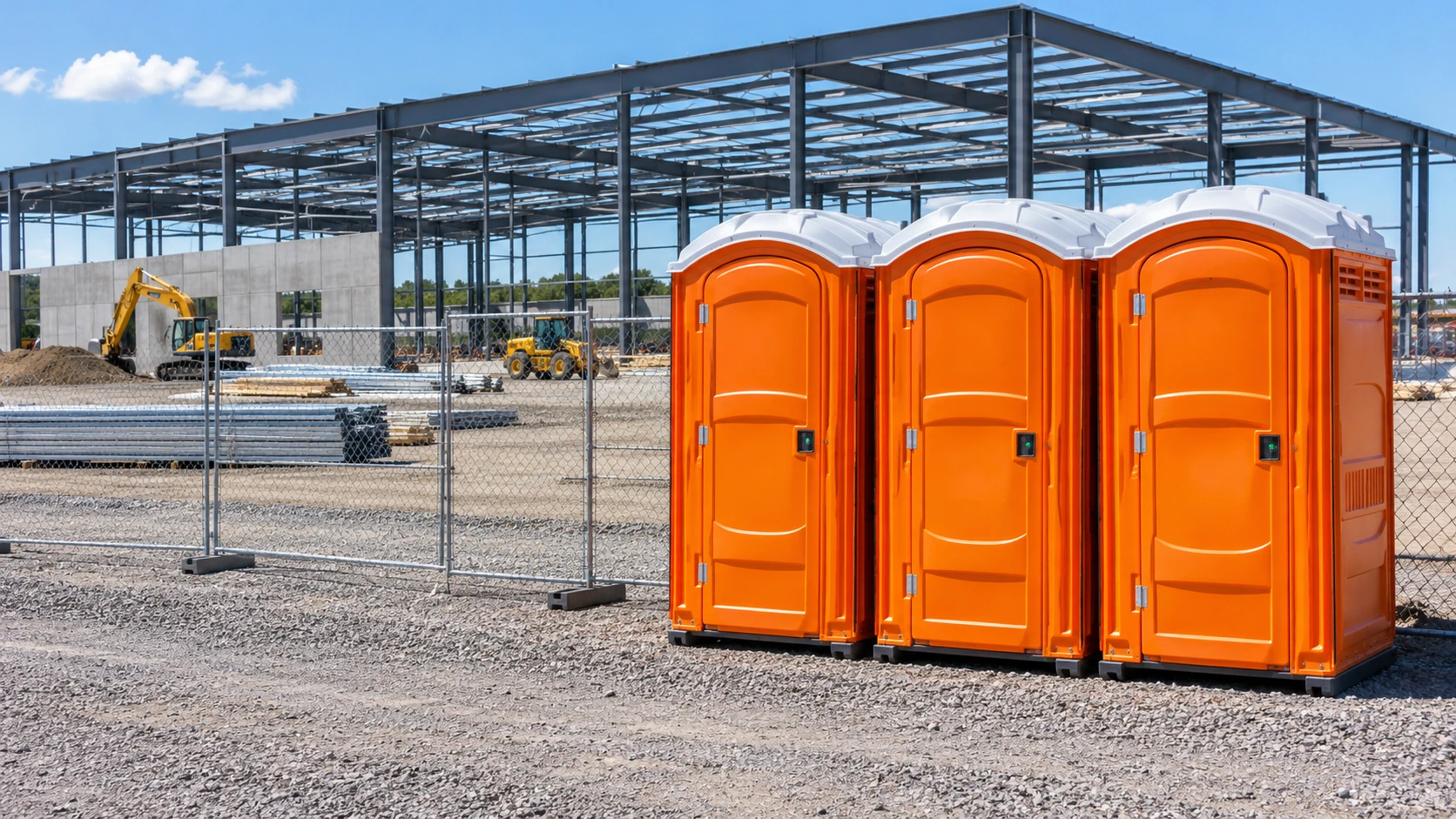
The Tonaquint setting illustrates why the route matters as much as a general neighborhood reference. A commercial building project, a grounds-maintenance assignment, and work beside a public recreation area can have different gate arrangements and occupied spaces. Explain changes in level, surface transitions, and whether the final approach crosses an area used by the public. Ask the site manager to identify a firm, level placement outside circulation routes before choosing where temporary restrooms will stand. [sources]
Planning temporary facilities for this setting
When calling about St. George portable toilets, provide crew size, use hours, and the anticipated length of the job. Mention phased work that may change access after delivery. Compare standard units, accessible equipment, and hand-washing stations using the specifications actually offered for your dates. Discuss the space required for users and servicing, then confirm the visits, supplies, transportation, and pickup included in the quote. Give an on-site contact and report any revised entrance or finish date before it affects the agreed arrangement.
For a working property in St. George, use our construction restroom guide to prepare crew and schedule details. For organized attendance, the event rental guide covers user numbers, setup windows, and circulation. Both are useful starting points for a call about your particular address.
Keep the plan useful throughout the rental
Once the equipment is placed, keep its service approach available throughout the rental. Explain any planned fencing, changing work zones, or vendor activity that could affect access. For a longer project, ask how supplies and routine visits are handled; for a multi-day occasion, discuss the service window alongside the program.
Before confirming, review the rental period and everything included in the quote: transportation, proposed equipment, scheduled servicing, additional visits if needed, and collection. An approved location and a reliable on-site contact help keep those arrangements clear as the job or event develops.