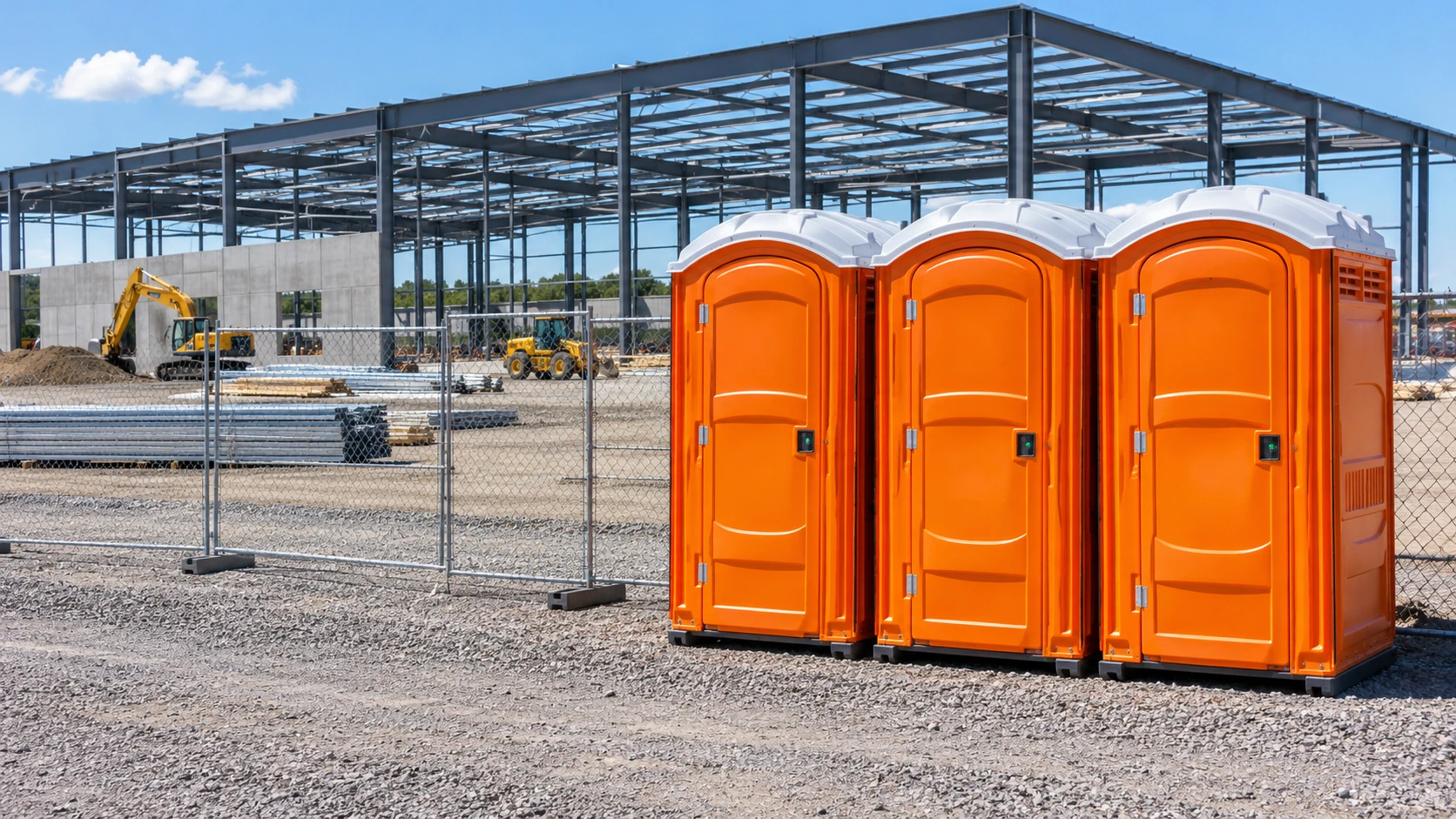
Different business districts call for specific site instructions
Local geography and the working area
Bellevue’s city profiles describe several distinct business settings rather than one uniform commercial district. BelRed is transitioning from its light industrial history toward mixed-use, transit-oriented neighborhoods. Wilburton has a separate business district, while Eastgate and Factoria combine office, retail, and residential uses around the Interstate 90 and Interstate 405 area. A facility project in any of these settings should identify the actual entrance, the portion of the property under work, and the place where temporary restrooms can remain throughout the rental. [sources]
Districts, corridors, and site context
Crossroads adds another local pattern, with retail, community services, apartments, and established residential neighborhoods. A renovation or maintenance operation next to an occupied building may share circulation with customers, residents, or employees. Explain that context during the quote discussion. Give the site manager’s approved placement instructions and distinguish the delivery route from pedestrian access. District names help describe the surroundings, but the equipment plan should follow the particular loading area, work boundary, surface, and access arrangement at the address. [sources]
Planning temporary facilities for this setting
For Bellevue crews, start with headcount by shift, hours of use, project phases, and the duration expected for temporary facilities. Ask how standard units, accessible options, and washing stations can be arranged for the proposed site. Review unit specifications and the space needed to approach, use, and service them. If the work area or entrance changes, call before relocating equipment or blocking the route. Confirm availability, scheduled cleaning and supply replenishment, extra-visit arrangements, delivery, pickup, and total scope with the local contact.
For a working property in Bellevue, use our construction restroom guide to prepare crew and schedule details. For organized attendance, the event rental guide covers user numbers, setup windows, and circulation. Both are useful starting points for a call about your particular address.
Keep the plan useful throughout the rental
Once the equipment is placed, keep its service approach available throughout the rental. Explain any planned fencing, changing work zones, or vendor activity that could affect access. For a longer project, ask how supplies and routine visits are handled; for a multi-day occasion, discuss the service window alongside the program.
Before confirming, review the rental period and everything included in the quote: transportation, proposed equipment, scheduled servicing, additional visits if needed, and collection. An approved location and a reliable on-site contact help keep those arrangements clear as the job or event develops.