Restroom logistics for distribution areas and occupied commercial property
Local geography and the working area
Mesquite’s industrial planning includes a business-park area around the airport and land south of Scyene Road. The city also identifies a separate Interstate 20 area along McKenzie Road, with industrial and distribution uses in its planning material. These different commercial settings call for specific delivery instructions. A restroom request should name the actual property, building, approved entrance, and equipment position rather than treating an airport reference or business-park name as a complete route to the worksite. [sources]
Districts, corridors, and site context
The Rodeo City district provides another local context, centered on the rodeo and convention-center area. Commercial work near visitor-oriented properties can involve different circulation from a distribution yard or a building under construction. Explain whether the site remains occupied, where loading occurs, and how workers reach the proposed restroom area. Identify a firm, level position that can stay available as materials arrive. Local district descriptions establish the setting; access and placement still depend on the property manager and the actual project arrangement. [sources]
Planning temporary facilities for this setting
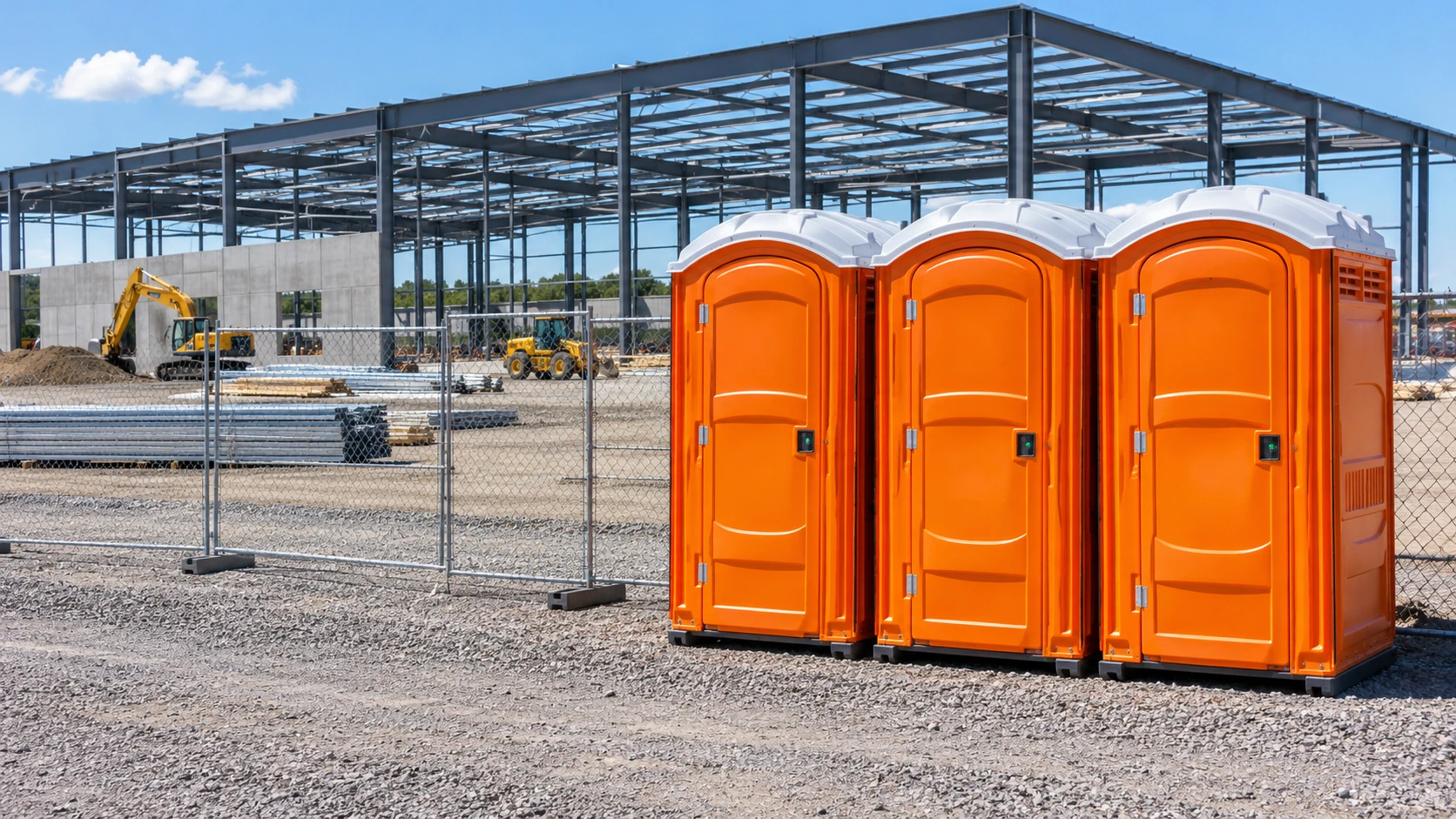
For a Mesquite commercial rental, prepare the expected workforce by shift, use hours, start date, and anticipated finish. Mention staffing peaks and permanent restrooms that remain available. Compare standard toilets with accessible options and washing stations while the layout is still flexible. Ask about equipment specifications, included service visits, supplies, additional servicing, and extensions. Confirm transportation and pickup windows around the property’s operating schedule. Keep the agreed approach clear of parked equipment and inventory, and tell the local contact when fencing, work phases, or gate procedures change.
For a working property in Mesquite, use our construction restroom guide to prepare crew and schedule details. For organized attendance, the event rental guide covers user numbers, setup windows, and circulation. Both are useful starting points for a call about your particular address.
Keep the plan useful throughout the rental
Once the equipment is placed, keep its service approach available throughout the rental. Explain any planned fencing, changing work zones, or vendor activity that could affect access. For a longer project, ask how supplies and routine visits are handled; for a multi-day occasion, discuss the service window alongside the program.
Before confirming, review the rental period and everything included in the quote: transportation, proposed equipment, scheduled servicing, additional visits if needed, and collection. An approved location and a reliable on-site contact help keep those arrangements clear as the job or event develops.