Crew facilities in a city shaped by freight routes and a river
Local geography and the working area
Joliet’s commercial setting is closely tied to transportation. The city identifies rail freight connections, interstate access, and the Des Plaines River’s role in moving raw materials and bulk products. Its far-south commercial district includes the CenterPoint and intermodal area. For a contractor, warehouse project, or maintenance operation, the important rental directions are the actual entrance, work boundary, and approved equipment position. A large industrial property may have several gates serving different tenants or functions, so a general facility name is not enough. [sources]
Districts, corridors, and site context
The river also separates local areas, while downtown and places such as Pilcher Park show the variety beyond freight-oriented sites. A restroom setup for an occupied building near the urban center may need a different layout discussion from a unit position within a larger commercial yard. Explain the crew route, customer or employee circulation, loading lanes, and materials staging. Confirm the approach on the property itself rather than assuming a highway connection establishes delivery access all the way to the proposed pad. [sources]
Planning temporary facilities for this setting
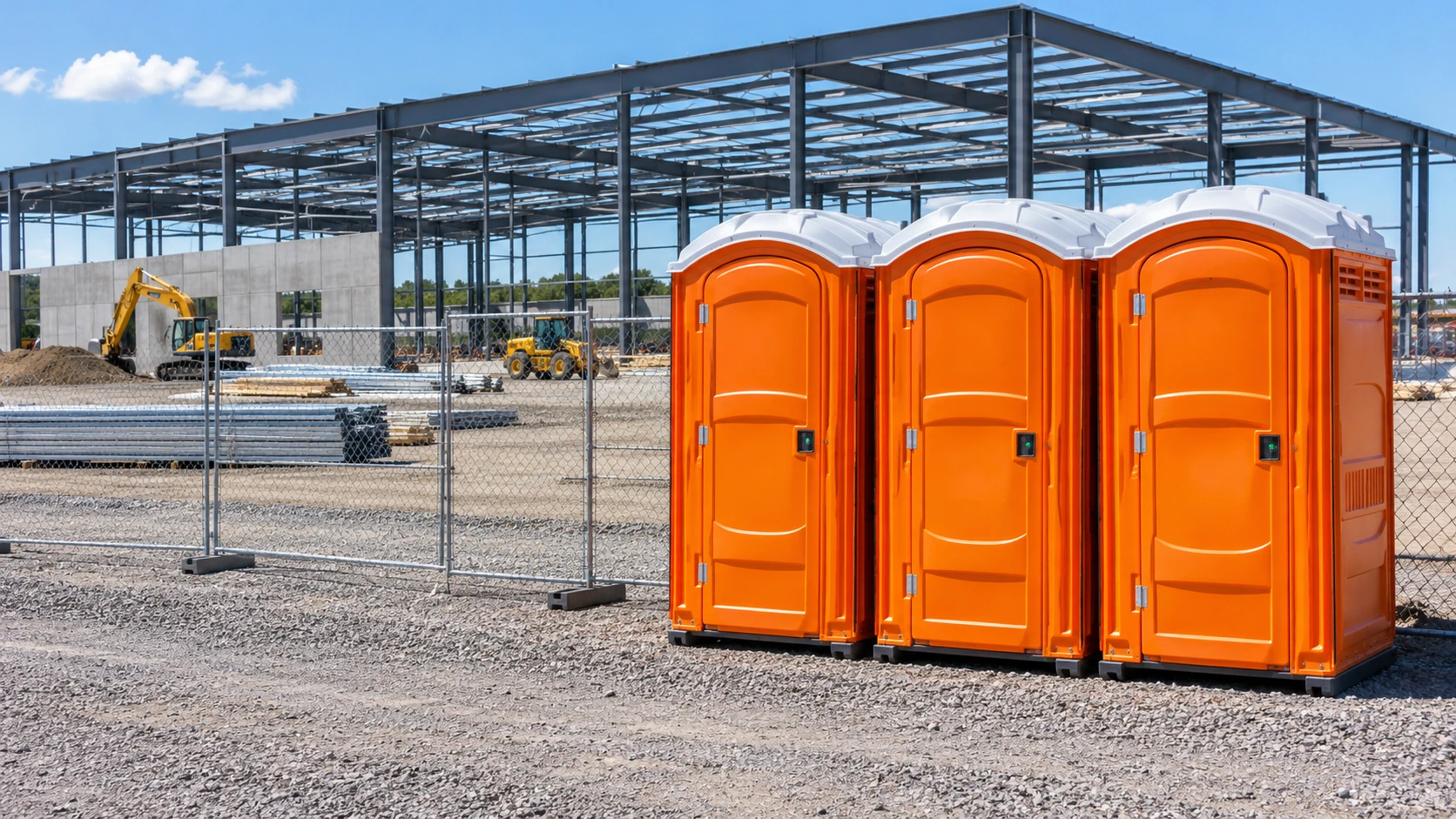
Give the Joliet team daily staffing by shift, the project calendar, and any anticipated peak workforce. Discuss standard units, accessible equipment, and washing facilities using the models actually offered for the dates. Review the space needed for users and servicing, plus gate or check-in arrangements. Ask about cleaning visits, supply replenishment, extra service, extensions, transportation, and collection. Keep the service approach available during operations and appoint someone who can coordinate changes before parked trailers, machinery, or new fencing alter the agreed restroom arrangement.
For a working property in Joliet, use our construction restroom guide to prepare crew and schedule details. For organized attendance, the event rental guide covers user numbers, setup windows, and circulation. Both are useful starting points for a call about your particular address.
Keep the plan useful throughout the rental
Once the equipment is placed, keep its service approach available throughout the rental. Explain any planned fencing, changing work zones, or vendor activity that could affect access. For a longer project, ask how supplies and routine visits are handled; for a multi-day occasion, discuss the service window alongside the program.
Before confirming, review the rental period and everything included in the quote: transportation, proposed equipment, scheduled servicing, additional visits if needed, and collection. An approved location and a reliable on-site contact help keep those arrangements clear as the job or event develops.