Coordinate commercial facilities around Racine’s river and industrial landscape
Local geography and the working area
Racine sits where the Root River reaches Lake Michigan. Wisconsin’s Department of Natural Resources describes the river’s southeastward course to the lake, while city planning material identifies the historic industrial setting around Machinery Row along the lower river. This combination of waterway and working landscape is useful context for a contractor’s site plan. It does not establish equipment access: give the actual project parcel, service entrance, and approved restroom area instead of relying on the riverfront district name. [sources]
Districts, corridors, and site context
City development information also identifies Olsen Industrial Park and Southside Industrial Park as parts of Racine’s commercial landscape. A business-park project may need different entrance instructions from a downtown building renovation or work beside the river. Explain which part of the property remains occupied, where materials and vehicles are stored, and how workers reach the facilities. Ask the site lead to confirm a placement that stays clear of active loading and pedestrian paths, and describe the surface at the proposed position. [sources]
Planning temporary facilities for this setting
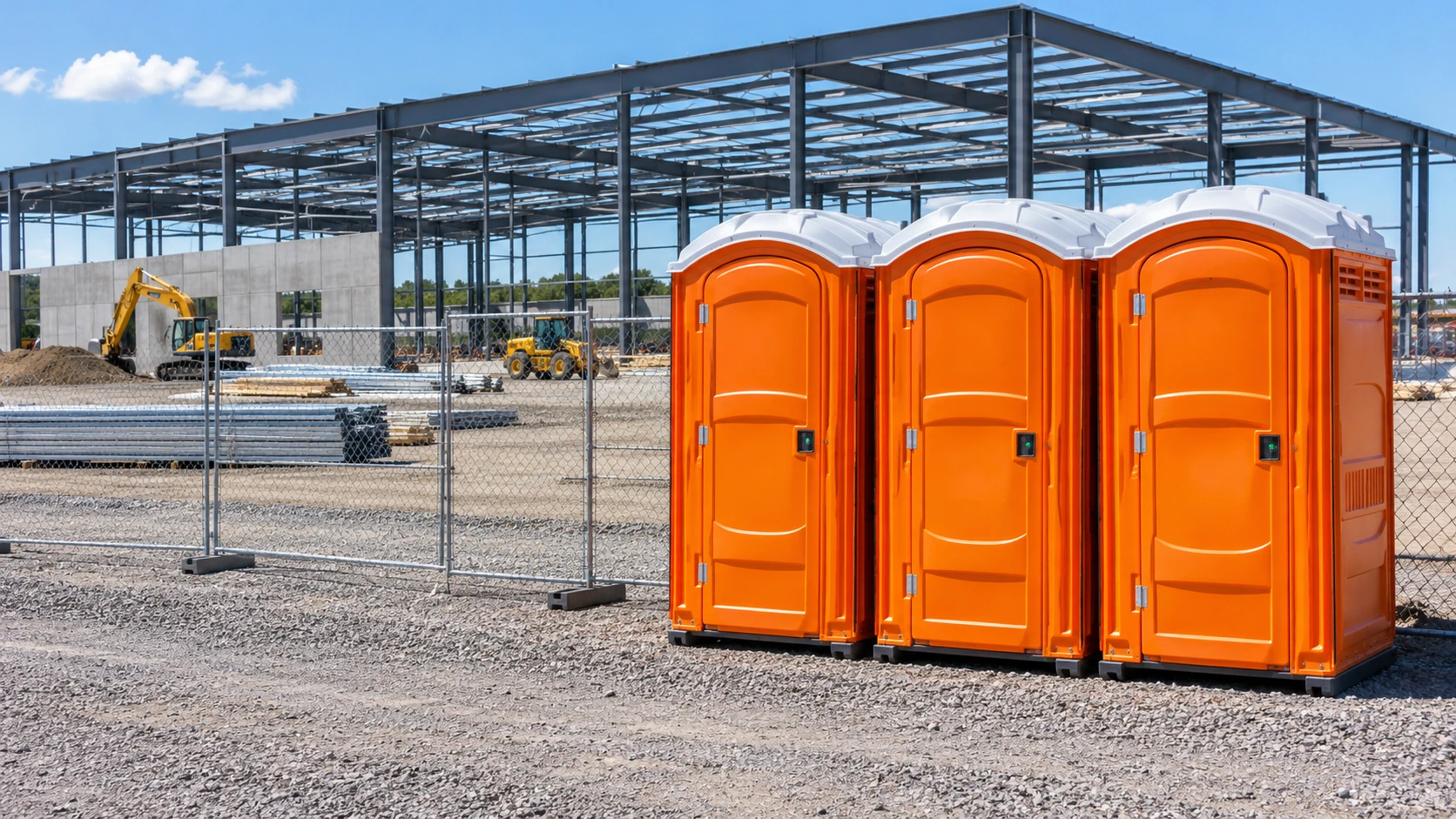
For a Racine commercial portable toilet request, provide the expected crew count, shifts, duration, and availability of permanent restrooms. Include washing and accessible equipment requirements in the first conversation. Review dimensions, approved placement, and the route needed for ongoing servicing before confirming the arrangement. Ask which cleaning visits, supplies, waste removal, delivery, and pickup are included in the quote. Identify a dependable property contact, report changes in use or access promptly, and coordinate collection before the project closes its staging area.
For a working property in Racine, use our construction restroom guide to prepare crew and schedule details. For organized attendance, the event rental guide covers user numbers, setup windows, and circulation. Both are useful starting points for a call about your particular address.
Keep the plan useful throughout the rental
Once the equipment is placed, keep its service approach available throughout the rental. Explain any planned fencing, changing work zones, or vendor activity that could affect access. For a longer project, ask how supplies and routine visits are handled; for a multi-day occasion, discuss the service window alongside the program.
Before confirming, review the rental period and everything included in the quote: transportation, proposed equipment, scheduled servicing, additional visits if needed, and collection. An approved location and a reliable on-site contact help keep those arrangements clear as the job or event develops.