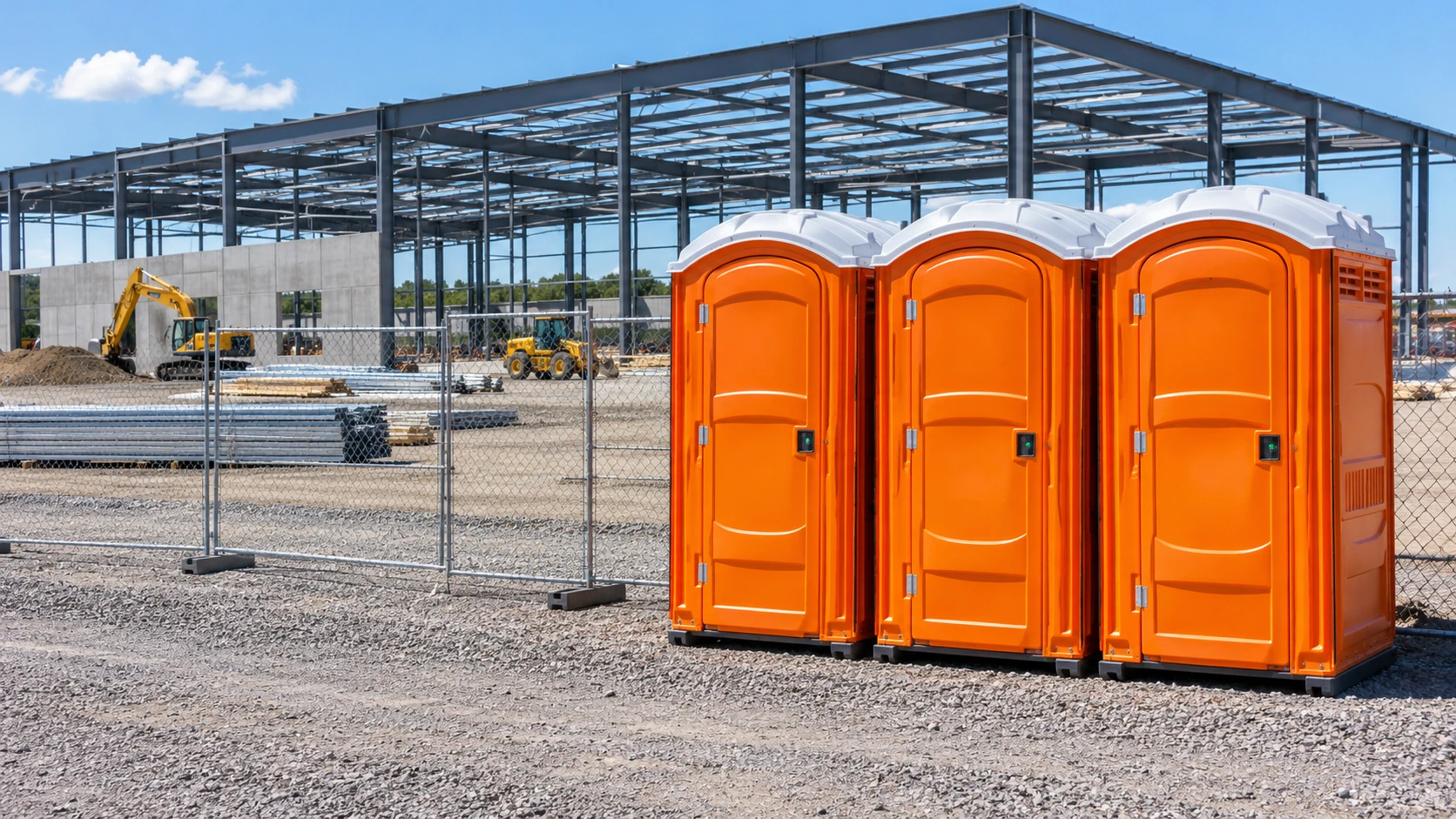
Commercial site planning within a bayou and coastal-prairie setting
Local geography and the working area
Pasadena’s southeastern landscape includes Armand Bayou, a waterway that the Texas environmental agency describes as originating in Pasadena and flowing toward Clear Lake. The Armand Bayou Nature Center preserves coastal tallgrass prairie, bottomland forest, and bayou habitat. For a commercial worksite, this local context reinforces the need to describe the actual property surface and approved equipment position. A rental should be arranged for the specified parcel and entrance, without assuming that nearby open land, drainage space, or a nature area can be used. [sources]
Districts, corridors, and site context
The city lists an Armand Bayou trailhead on Fairmont Parkway, while the nature center is reached from Bay Area Boulevard. These are useful orientation points for distinguishing different parts of the wider area. A contractor should still provide direct instructions for the commercial property: the correct driveway, any controlled gate, and the route to the work zone. Explain how service vehicles interact with staff parking, loading activity, or customer access. Ask the property manager to approve placement rather than selecting a convenient-looking roadside or landscape area. [sources]
Planning temporary facilities for this setting
When requesting Pasadena crew facilities, state the daily headcount, shifts, rental dates, and availability of indoor restrooms. Include washing stations and accessible requirements in the initial equipment comparison. Discuss dimensions, ground conditions, and the service approach for the actual proposed units. Confirm included cleaning and supplies, transport, additional-visit arrangements, extensions, and pickup. Give an on-site contact who can coordinate access around business operations, and call when the work boundary or entrance schedule changes before it affects the agreed servicing plan.
For a working property in Pasadena, use our construction restroom guide to prepare crew and schedule details. For organized attendance, the event rental guide covers user numbers, setup windows, and circulation. Both are useful starting points for a call about your particular address.
Keep the plan useful throughout the rental
Once the equipment is placed, keep its service approach available throughout the rental. Explain any planned fencing, changing work zones, or vendor activity that could affect access. For a longer project, ask how supplies and routine visits are handled; for a multi-day occasion, discuss the service window alongside the program.
Before confirming, review the rental period and everything included in the quote: transportation, proposed equipment, scheduled servicing, additional visits if needed, and collection. An approved location and a reliable on-site contact help keep those arrangements clear as the job or event develops.